

A retrospective study of more than 3200 cesarean deliveries found that patients with three or more prior cesareans have a 15% likelihood of a uterine window, supporting consideration of early-term delivery in this group.
A retrospective study of more than 3200 cesarean deliveries found that patients with three or more prior cesareans have a 15% likelihood of a uterine window, supporting consideration of early-term delivery in this group.

Lam-Rachlin reported that the software did not add time to the examinations and, in some instances, appeared to speed up the process by providing a rapid preliminary analysis.

A randomized clinical trial found that weekly extended-release buprenorphine achieved significantly higher illicit opioid abstinence during pregnancy compared to daily sublingual doses.

A national EHR database study found that GLP-1 RA prescribing among perinatal patients increased more than thirtyfold between 2019 and 2024, with an estimated 20,000 pregnant individuals exposed in 2024 alone.


Data suggest that thermal biomodulation via radiofrequency improves vaginal lubrication and reduces pain during intercourse for postmenopausal women.

Get caught up with Contemporary OB/GYN! This list helps you navigate our top stories from the week, all in one place.

A large preconception cohort study found that nearly 41% of pregnancy planners tested more than 4 days before their expected period, a pattern associated with a fivefold higher risk of false-negative results and threefold higher detection of very early pregnancy losses.

Adnan I. Qureshi, MD, reports that women with a history of stroke have 2-fold higher odds of recurrence during pregnancy and the 6-week postpartum period.

Sara Perelmuter advocates for routine postpartum screening and provider education on lactation-safe therapies when dealing with GSL symptoms.

A longitudinal study found that third-trimester levels of sFlt-1 and hs-cTnI were an independently associated with higher long-term CVD risk.

Clinicians are advised to discuss reproductive risks and fertility preservation options with all cancer patients prior to initiating therapy to maximize future reproductive potential.

Yale's Alessandro Santin, MD, emphasizes that "knowing our enemy" through sequencing is a way to identify targetable pathways for rare and aggressive ESS cases.

A large insurance database study found that more than 80% of pregnant patients with depression or anxiety discontinued SSRI/SNRI therapy, which was associated with nearly double the rate of mental health emergencies compared to those who continued treatment.
Sara Perelmuter details how naming Genitourinary Syndrome of Lactation (GSL) is a vital step in addressing the treatment gap in postpartum care.

According to FLO Living, the Cycle Syncing Method resulted in 92% of participants reporting meaningful reductions in the number and intensity of PMS symptoms after 60 days.
Alessandro Santin, MD, highlights how POLE and mismatch repair mutations in high-grade ESS create a clinical opportunity for using immune checkpoint inhibitors.
Get caught up with Contemporary OB/GYN! This list helps you navigate our top stories from the week, all in one place.

New research from the COEQUaL initiative is examining how clinical counseling, insurance design, and referral patterns shape disparities in uterine fibroid care.

Julia Ordway highlights a case where unregulated testosterone pellets led to a 2-year recovery period.
"It's only when you acquire the type of deep knowledge in the molecular characteristic that you may really identify potential targets," said study investigator Alessandro Santin, MD.

Standardized, patient-completed screening for substance use at delivery admissions reduced racial disparities in urine toxicology testing while improving testing efficiency, according a study from Mariam Naqvi, MD, and colleagues.

An expert infectious disease panel discusses how recent federal vaccine schedule changes can impact maternal immunizations and potential repercussions.
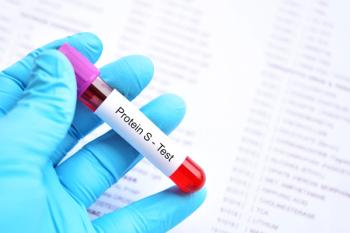
Research indicates that LMWH prophylaxis effectively mitigates the high risk of pregnancy loss and reduced natural fecundity associated with protein S deficiency.
An expert infectious disease panel discusses how recent federal vaccine schedule changes can impact maternal immunizations and potential repercussions.

The Menopause Society reported new data from 68 health organizations that showed vaginal estrogen therapy does not elevate recurrence risk in survivors aged 18 to 51.

Dardik explains how De Novo-cleared AI identifies preterm birth risk in low-risk pregnancies through whole-image analysis.

In a 29-state review of 2017–2019 data, 86.4% of pregnancy-related infection deaths were deemed preventable, with genital tract infections, group A streptococcus, and delays in antibiotics emerging as key targets for intervention.

Kevin Benson highlighted that the TITAN 2 study demonstrates the Altaviva ITNM system as a safe, minimally invasive, and durable solution for real-world patients who have failed prior overactive bladder treatments.

Results from the TITAN 2 study presented at SUFU 2026 demonstrate that the Altaviva ITNM system provides sustained reduction in UUI episodes and improved quality of life through 24 months.