






Obstetrics
Latest News
Advertisement
Latest Videos



Shorts
1:03
Tosin Goje, MD, FACOG, on advising multiple maternal vaccines
4 days ago
by
Tosin Goje, MD, MSCR, FACOG(+1 more)
2:06
Special Report on maternal vaccination, hosted by Kevin Ault, MD & Tosin Goje, MD
5 days ago
by
Kevin Ault, MD, FACOG(+1 more)
0:51
Using approved risk-based tools in cardio-obstetrics
8 days ago
by
Garima Sharma, MD(+1 more)

1:40
Wen Shen, MD, on history of comorbidities in perimenopause care
18 days ago
by
Wen Shen, MD(+1 more)
0:55
Extending eligibility window for RSV vaccine
21 days ago
by
Kevin Ault, MD, FACOG(+1 more)

0:25
Navigating early pregnancy testing with Alexandra Sundermann, MD, PhD
a month ago
by
Alexandra C. Sundermann, MD, PhD(+1 more)
1:05
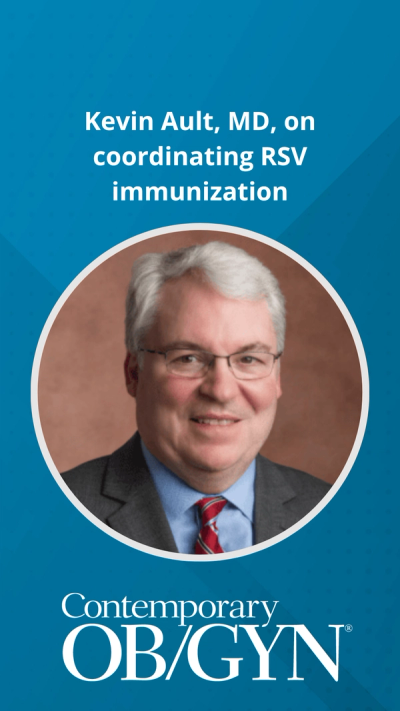
Kevin Ault, MD, on coordinating RSV immunization
a month ago
by
Kevin Ault, MD, FACOG(+1 more)

1:13
Kevin Ault, MD, on counseling for COVID-19 vaccination in 2026
a month ago
by
Kevin Ault, MD, FACOG(+1 more)
0:23
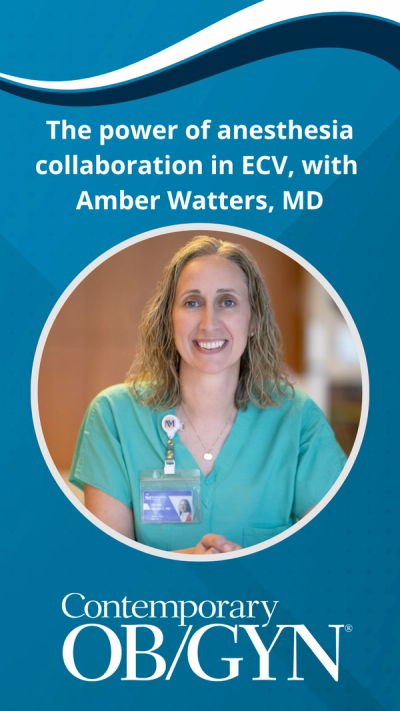
The power of anesthesia collaboration in ECV, with Amber Watters, MD
a month ago
by
Amber Watters, MD, MS(+1 more)
0:24
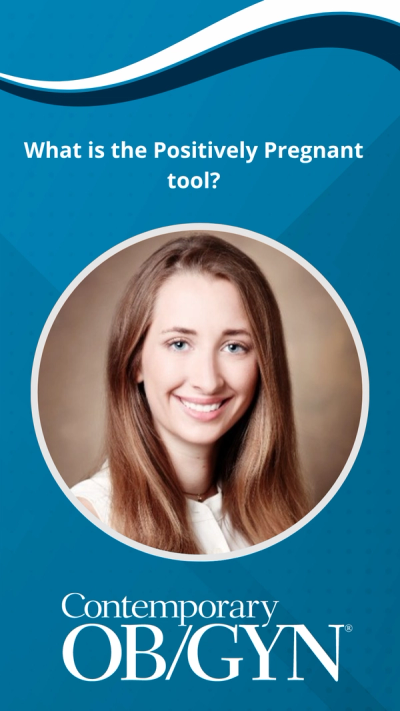
What is the Positively Pregnant tool?
a month ago
by
Alexandra C. Sundermann, MD, PhD(+1 more)
Podcasts


Advertisement
More News

A new study finds that low birth volume and unprofitability were strongly associated with both obstetric unit and full hospital closures between 2010 and 2023.

A recap of the top headlines from Contemporary OB/GYN in September 2026, spanning ACOG's respiratory vaccine guidance to the launch of the Missed & Dismissed podcast.

AJOG research shows a cytokine storm could be detectable in maternal blood before the clinical onset of AFE.

CDC data show gestational hypertension rose 73% from 2016 to 2024, affecting 1 in 10 US mothers giving birth.
Missed the updated IDSA histoplasmosis guideline? This easy-to-read FAQ covers what clinicians caring for pregnant patients need to know.

Maternal RSV immunization creates an important opportunity for obstetric and pediatric clinicians to coordinate newborn prevention strategies, according to Kevin Ault, MD.

Drawing on her own successful version, Amber Watters, MD, welcomes the ASA's push for closer obstetrics and anesthesia collaboration.

SMFM states abortion care is core to MFM practice and urges institutional action to protect high-risk patient access.
Kevin Ault, MD, FACOG, explains that all four vaccines in ACOG's 2026-27 guidance carry direct newborn benefit and that prenatal conversations ease downstream pediatric vaccine discussions.
Kevin Ault, MD, FACOG, emphasizes that obstetric clinicians are patients' most trusted vaccine information source, making maternal COVID-19 counseling a high-value opportunity.

FDA granted BTD to certolizumab pegol for preventing adverse pregnancy outcomes in women with antiphospholipid syndrome.
Amber Watters, MD, MS, explains how the ASA's statement encourages obstetric units to integrate neuraxial anesthesia into a formal external cephalic version process.
Kevin Ault, MD, FACOG, explains ACOG's extension of the maternal RSV vaccine window to March 1 and the role of passive immunity in protecting newborns.

ACOG strongly recommends COVID-19, RSV, and flu vaccines for pregnant patients ahead of the 2026–27 respiratory season.

A recap of the top stories from August 2026 in women's health.

ACOG updated guidance now recommends routine bilateral salpingectomy at hysterectomy and other surgeries to prevent ovarian cancer.

A new study finds a 14.9% recurrence risk for severe hypertensive disorders of pregnancy.

A new study finds cesarean delivery occurred in 42.5% of pregnancies with a life-limiting fetal diagnosis.

A 20-year PMSS analysis identifies cardiovascular conditions as the leading cause of pregnancy-related death.
Rachel Meislin, MD, explains that uncontrolled asthma, not its diagnosis or treatment, drives adverse pregnancy outcomes, framing disease control as a fetal-protective strategy.

Over 27% of OUD pregnancies had no HCV testing, and only 9.7% with active infection received postpartum DAAs.
Mark N. Simon, MD, MMM, discusses the clinical risks tied to maternity care deserts and longer travel times following new March of Dimes data.
Liz Miracle, PT, MPT, WCS, argues that ACOG Committee Opinion No. 736, which supports non-office postpartum assessment, applies equally to virtual pelvic floor physical therapy.

Included are statements from SMFM, ACOG, and the AAP.
Liz Miracle, PT, MPT, WCS, discusses a retrospective analysis of 4,662 patients finding comparable pelvic health outcomes across virtual, hybrid, and in-person care.
Advertisement
Advertisement
Trending on Contemporary OB/GYN
1
ACOG guideline expands menopause VMS, sleep, and mood recommendations
2
Executive order directs NIH to create women's health division
3
Actigraphy and Objective Sleep Outcomes in Menopause VMS Treatment
4
How do culture and modesty shape sexual dysfunction presentation?
5