


Human, animal, and in vitro research indicates a beneficial effect of appropriate amounts of omega-3 (n-3) polyunsaturated fatty acids (PUFA) on bone health.
Human, animal, and in vitro research indicates a beneficial effect of appropriate amounts of omega-3 (n-3) polyunsaturated fatty acids (PUFA) on bone health.
Many risk factors for fractures have been documented, including low bone-mineral density (BMD) and a history of fractures.
Urinary incontinence impacts 15 to 35% of the adult ambulatory population. Men after the removal of the prostate for cancer can experience incontinence for several weeks to years after the surgery.
Diagnostic discordance for osteoporosis is the observation that the T-score of an individual patient varies from one key measurement site to another, falling into two different diagnostic categories identified by the World Health Organization (WHO) classification system.
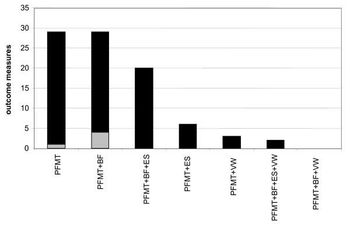
Stress urinary incontinence (SUI) is a prevalent and costly condition which may be treated surgically or by physical therapy.
The relationship of sex hormones and breast cancer is a matter of concern of many women. Breast cancer is the most common form of cancer in women in industrialized countries.
The request for "natural hormones" is nearly universal. But there is a lot of misunderstanding regarding this idea. What is natural? Compounds derived from nature? Or compounds from pharmaceutical companies that are structurally similar to hormones produced by the ovaries?
Although testosterone is generally considered to be a male hormone, it is produced in small amounts by the ovary. Other hormones with testosterone-like effects are also produced by both the ovary and the adrenal gland.
Menopausal women often present with a list of complaints, questions and worries. While they seek effective treatment to alleviate their symptoms, they express their concerns regarding the potential adverse effects associated with conventional hormone treatment-namely, coronary heart disease, stroke and breast cancer. As a result, many women ask their clinicians about alternative options. They come armed with anecdotal stories, advice from friends, and information from television and internet sources.
Initiating Discussions, Dispelling Myths, and Finding Solutions
The 400-meter timed walk can provide insights into an older person’s cardiorespiratory fitness; the resulting data from these walks are useful in predicting total mortality, cardiovascular disease, mobility limitation, and disability. But do leisure time activities and weight/body composition changes affect walk time? Dr Kelley K. Pettee Gabriel from the division of epidemiology, human genetics, and environmental sciences at the University of Texas Health Science Center, Austin, and colleagues believe a better understanding of this relationship will help clarify the best use of the 400-meter walk in middle-aged women.
In general decline in fertility is associated with increasing age, most notably for women. Women are born with a fixed number of oocytes which diminish with age leaving few if any capable of fertilization in the peri menopause.
The purpose of the Women’s Health Initiative hormone program was to study the health benefits and risks of hormones for postmenopausal women. In July 2002, we asked women in the estrogen plus progestin part of the program to stop taking their study pills.
Reports of recent studies revealing hormone replacement therapy (HRT) is associated with health risks have left women scared and confused about how to stay comfortable and healthy during menopause.
Estrogen plus progestin therapy does not have a clinically significant effect on postmenopausal women's health-related quality of life, according to this analysis of data from the Women's Health Initiative (WHI), a randomized, double-blind, placebo-controlled trial.
An excerpt from the Menopause & Perimenopause Ask the Expert column
The use of hormone replacement therapy (HRT) in postmenopausal women has been generating a lot of controversy lately. Recent studies have suggested that, contrary to prior assumptions, this regimen may increase the risks for a heart attack and for breast cancer. We asked Andrew M. Kaunitz, MD, a member of our advisory board, to respond to concerns about the safety of HRT--particularly with respect to cardiovascular disease.
A number of perimenopausal women and their health care providers choose to either decline or prematurely discontinue use of oral contraceptives (OCs), despite the availability of formulations that can prevent pregnancy and address perimenopausal symptoms. This lack of use is due to several factors.
Uterine myomas irrespective of whether they are small and asymptomatic (as in the postmenopausal women) or large and symptomatic (as in premenopausal women) considerably affect uterine artery blood flow velocity. Benign uterine leiomyomas are usually easily recognized with gray-scale ultrasonography, but may sometimes be difficult to differentiate from solid ovarian tumours.
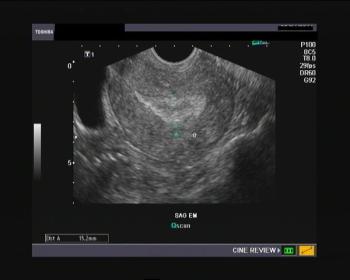
The Relationship Between Transvaginal Sonogram and Hysteroscopy Findings in the Assessment of Endometrial Lesions in Postmenopausal Bleeding: A Case Study
Test your ob/gyn knowledge in our DailyDx.
Breast cancer causes more than 40,000 deaths annually and is only second to lung cancer in cause of cancer deaths in women in the United States. Since early identification is key to prompt treatment and the best prognosis, it is crucial to identify women at risk.
A recent study found that postmenopausal women may be at risk of developing breast cancer, and that this risk is tied to factors other than family history.
The most important question to ask is whether or not the fibroids need to be treated at all. The vast majority of fibroids grow as a woman gets older, and tend to shrink after menopause. Obviously, fibroids that are causing significant symptoms need treatment. While it is often easier to treat smaller fibroids than larger ones, many of the small fibroids never will need to be treated. So just because we can treat fibroids while they are small, it doesn't follow that we should treat them. The location of the fibroids plays a strong influence on how to approach them. A gynecologist experienced in the treatment of fibroids can help you determine if they need to be treated.
Menopause is the time in a woman's life when the ovaries stop producing estrogen. Menopause is usually recognized by the cessation of menstrual periods. Other symptoms of menopause include flashes, mood changes, difficulty sleeping, and vaginal dryness. If a woman is not menstruating because she has had a hysterectomy or endometrial ablation, other symptoms of menopause often alert her that menopause is starting.