



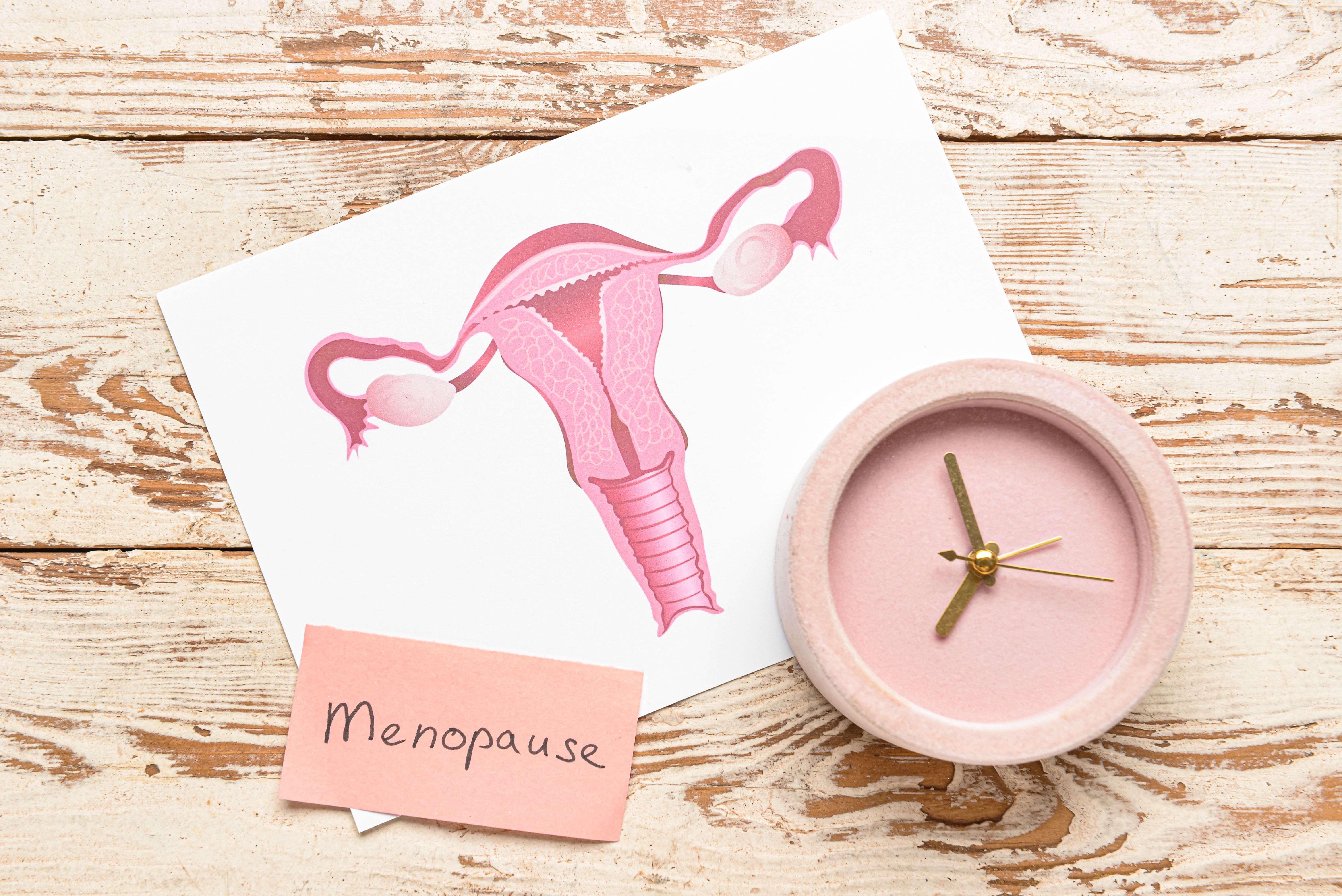


Menopause
Latest News
Advertisement
Latest Videos






Shorts

0:48
What patients ask about perimenopause medications
a day ago
by
Jean Cunningham, PharmD, BCPS
0:21
Elinzanetant's impact irrespective of hot flash severity
2 months ago
by
Pauline Maki, PhD(+1 more)

1:41
Elinzanetant and sleep: The research questions ahead
3 months ago
by
Pauline Maki, PhD

0:30
James A. Simon, MD on bringing elinzanetant to market
3 months ago
by
James A. Simon, MD, CCD, MSCP, IF, FACOG(+1 more)

0:35
Consider CBT for insomnia in menopause, says Pauline Maki, PhD
3 months ago
by
Pauline Maki, PhD

0:50
VMS symptoms, sleep & elinzanetant
3 months ago
by
Stephanie S. Faubion, MD, MBA, FACP, MSCP, IF(+1 more)

0:33
What studies could be coming next for elinzanetant?
3 months ago
by
James A. Simon, MD, CCD, MSCP, IF, FACOG(+1 more)

1:29
Elinzanetant's impact since FDA approval for VMS
3 months ago
by
Genevieve Neal-Perry, MD, PhD(+2 more)

0:45
Understanding VMS and nighttime wakefulness with Fiona Baker, PhD
3 months ago
by
Fiona C. Baker, PhD(+1 more)

0:33
What should primary providers know about menopause and sleep?
3 months ago
by
Stephanie S. Faubion, MD, MBA, FACP, MSCP, IF(+1 more)
Podcasts


CME Content


Advertisement
More News

"Although availability of certain products or brands may vary by pharmacy or location, estradiol transdermal patches remain available," stated the federal agency in an update.

A recap of the top stories from August 2026 in women's health.
Take a look back at some of the top FDA and pipeline news in women's health from August 2026.

TMP-SMX was linked to higher UTI treatment failure vs. nitrofurantoin and fosfomycin in postmenopausal women.

Get caught up with Contemporary OB/GYN! This list helps you navigate our top stories from the week, all in one place.

A new cohort study links estrogen-only MHT use to reduced Alzheimer disease pathology.

A new LifeStance survey finds many women are unaware that perimenopause can affect mental health.
Women with type 2 diabetes reported more and worse menopause symptoms, especially in the postmenopause stage.

AbCellera's ABCL635 met primary efficacy endpoints in a Phase 2 trial for moderate-to-severe hot flashes.
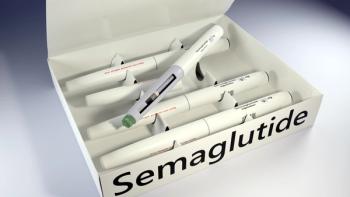
Semaglutide showed broad menstrual adverse event signals in a FAERS analysis of reproductive-aged patients.

Get caught up with Contemporary OB/GYN! This list helps you navigate our top stories from the week, all in one place.

One in 3 US women aged 35 and older is unsure if they’re in perimenopause, driven by symptom confusion and care barriers.

A pilot trial found nicotinamide riboside and pterostilbene cut hot flashes, bloating, and poor sleep by 50% or more in 7 days.

The SELF-GYN1 trial found that at-home transvaginal ultrasonography met diagnostic quality standards in 96.2% of scans and was significantly preferred by participants over in-clinic imaging.

A 12-week randomized trial found a standardized saffron extract improved mood, self-esteem, and sleep outcomes in menopausal women vs placebo.

A cross-sectional study published in Menopause found that while overall symptom burden was higher in women with average-age menopause, psychological and urogenital symptom scores did not differ significantly.

A reader-driven look at the 10 most-viewed articles on Contemporary OB/GYN from the first half of 2026, spanning FDA decisions, clinical research, and emerging treatments across menopause, contraception, endometriosis, and pelvic health.

A study published in Frontiers in Public Health and led by Mount Sinai researchers found that postmenopausal women in lower-income neighborhoods experienced up to 3.8 times greater bone mineral density loss from air pollution exposure than women in wealthier areas, based on data from 9041 participants in the Women's Health Initiative.

A recap of the top-performing, most-viewed Contemporary OB/GYN stories from June 2026, including new SMFM guidance on acetaminophen in pregnancy, ACOG's break from federal vaccine recommendations, and our coverage of SLEEP 2026 in Baltimore.
A recap of the top FDA news stories covered by Contemporary OB/GYN in Q2 2026, spanning cervical cancer screening, menopause therapeutics, and antibiotic treatment for urinary tract infections.

A look ahead to the second half of 2026 for ob-gyns, including Viatris's pending FDA decision on a low-dose estrogen contraceptive patch and previews of the IDSOG, AUGS PFD Week, and The Menopause Society annual meetings.

SWAN data from 2066 women demonstrate that sleep disturbance has a greater independent effect on health-related quality of life than VMS alone, with the combination of both symptoms producing the most pronounced impact on physical functioning and energy—findings that support prioritizing sleep as a treatment target alongside vasomotor symptoms in menopausal care, according to Pauline M. Maki, PhD.

Shared decision-making around nonhormonal VMS and sleep management requires moving through contraindications, patient preferences, and monitoring burdens together, with elinzanetant's (Lynkuet) dual receptor profile making it a particularly relevant option for women with both VMS and sleep disruption—and with follow-up at 2 to 3 months essential to evaluating response, according to Stephanie S. Faubion, MD, MBA, FACP, MSCP, IF.

Fiona C. Baker, PhD, explains how menopausal sleep disturbance differs from other forms of sleep disruption, citing the role of vasomotor symptoms, hormone changes, and an increased postmenopausal risk of sleep apnea in driving nighttime awakenings.

Among SWAN participants, sleep disturbance was independently associated with lower HRQoL relating to role-physical, role-emotional, and energy/fatigue, with no change in these associations over time.
Advertisement
Advertisement
Trending on Contemporary OB/GYN
1
Zuranolone shows sustained PPD symptom improvement through day 90
2
FDA approves IDE for pivotal study of Evident ovarian cancer screening test
3
PMOS Awareness Month: Watch our expert panel discussion on PMOS
4
Menopause proteomic scores associated with cognitive aging, dementia risk
5