

New study results suggest that severe depression and sexual dysfunction, in particular, can affect a woman's attention, language, orientation, recall, registration, and visuospatial skills.
New study results suggest that severe depression and sexual dysfunction, in particular, can affect a woman's attention, language, orientation, recall, registration, and visuospatial skills.

There are a number of effective treatments, but a recent study sought to investigate how well oral contraceptives in particular could help reduce symptoms—while preserving sexual quality of life—in women with particularly severe forms of endometriosis.

These mothers are approximately 17% less likely to die from cardiovascular disease, 14% less likely to develop coronary heart disease, and 12% less likely to suffer a stroke, the data show.
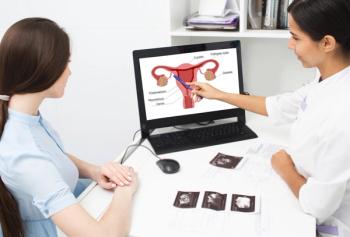
A phase 2, multicenter study has found relugolix (Myfembree; Myovant Sciences) significantly decreases menstrual blood loss in women with uterine leiomyomas and is mostly well tolerated. Relugolix is a small molecule gonadotropin-releasing hormone (GnRH) receptor antagonist.

A clinical study has confirmed that the pathophysiology of recurrent vulvovaginal candidiasis (RVVC) relies primarily on Candida albicans (C. albicans)-specific attributes like hyphal morphogenesis, biofilm formation and pathogenesis that differentiate it from other prominent non-albicans C. (NAC) species.
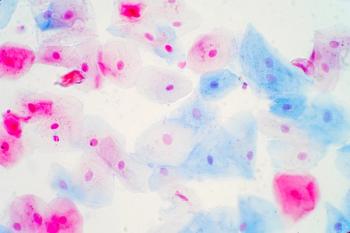
Autophagy is a controlled lysosomal degradation pathway that protects cells and allows to overcome cell death.
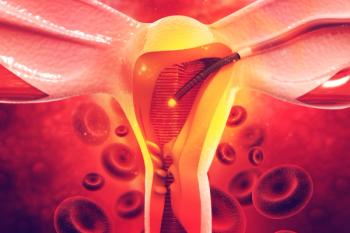
The authors noted that both primary options for treatment are currently being debated as to their efficacy and safety.

A case report of infiltrative endometriosis without endometrioma underscores the need to consider endometriosis in the differential for patients with pelvic masses and to recognize possible features that might indicate the diagnosis.

Among women with vulvovaginal candidiasis (VVC) or recurrent VVC (RVVC), the 3 most common signs and symptoms are itching (91.2%), burning (68.3%), and redness (58.1%), according to an online patient survey in BMC Womens Health.

Because the mechanism of action of medical-grade honey (MGH) is based on enhancing wound healing and exerting strong broad-spectrum antimicrobial activity, MGH may also help to treat recurrent vulvovaginal candidiasis (RVVC), according to a review in the Journal of Fungi.

Here's what's coming to Contemporary OB/GYN® this week.
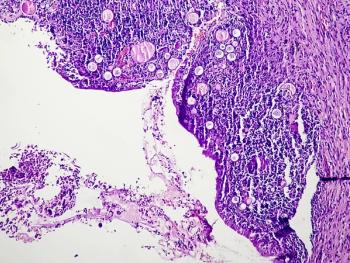
A literature search revealed there is no international agreement on how to characterize or classify endometriosis.
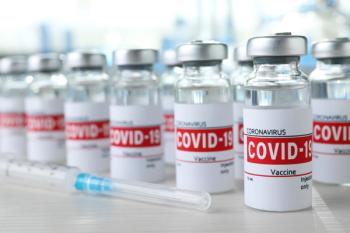
Employee mandate would have impacted 84 million workers. Health care mandate affects every facility that receives federal funding.

Here's what you missed this week from Contemporary OB/GYN®

Because many groups have a stake in newborn screening, “Who will take responsibility for integrating varying perspectives to modernize newborn screening?” Bailey pondered. “Funding and auspice will be critical decisions.”

Pooled estimates for chlamydia and/or gonorrhea were also null, but LARC users were significantly more likely to contract trichomoniasis infection compared to oral contraceptive users.

Half of prisons and over 80% of jails in the United States allowed postpartum permanent contraception, according to a study in the journal Contraception.

The findings support previous research demonstrating that increased access to emergency contraception does not compromise use of other more effective methods or lead to an increase in reported levels of unprotected sexual intercourse, according to Hawkins.

Many adolescents across the United States lack quality sex education, a trend that has worsened in recent years. Moreover, national statistics mask significant inequities in the receipt of formal sex education by gender, race and ethnicity, sexual orientation, and the location of instruction, according to a study in the Journal of Adolescent Health.

Maneesh Jain, CEO and co-founder of Mirvie, a proprietary RNA platform that uses blood samples to predict pregnancy complications such as preeclampsia, sits down with Contemporary OB/GYN to discuss the potential of the test.

Often based on racial/ethnic, socioeconomic, and age-based assumptions

Provider bias—stereotyped and prejudiced assumptions about patients and their “best interests”—can unintentionally harm your patients.

Recommendations for maternity care professionals based on MiPATH.

“The results suggested that weight maintenance or weight loss should not be used as routine guidelines,” The authors concluded.
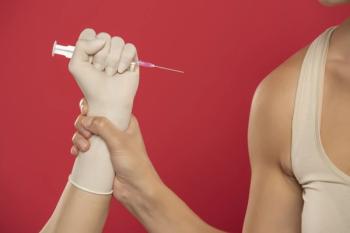
Do no harm, even though your patient might.

Together, the American College of Obstetrics & Gynecologists (ACOG) and the University of Michigan developed MiPATH recommendations (Michigan Plan for Appropriate Tailored Healthcare) to create comprehensive, tailored prenatal care plans for patients.
What's coming to Contemporary OB/GYN® this week.

Although the hysterosalpingogram (HSG) is the oldest special radiologic procedure, first performed over 110 years ago, it remains an essential part of the evaluation of the infertile couple.

Consensus group discussion resulted in a shift from results-based to risk-based management for cervical cancer screening.

The impact of hospitalization from COVID-19, especially severe disease, has greatly impacted our health care system—particularly the nursing staff.