
Opinion|Videos|August 19, 2026
Why Estrogen Suppression Anchors Endometriosis Treatment
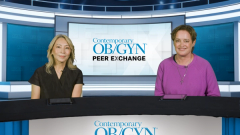
In "Why Estrogen Suppression Anchors Endometriosis Treatment," the panel explores the biological rationale that makes estrogen suppression the backbone of medical therapy.
Advertisement
Episodes in this series
In "Why Estrogen Suppression Anchors Endometriosis Treatment," the panel explores the biological rationale that makes estrogen suppression the backbone of medical therapy.
Dr. Kho explains why suppressing estrogen is so central to managing endometriosis: endometrial glands are extremely sensitive to estrogen stimulation, which is why hormonal ovarian suppression becomes one of the key pillars of medical treatment. The discussion notes that endometriosis is an estrogen-dominant disease, and there is even evidence that lesions themselves can produce estrogen locally, independent of ovarian suppression. Turning to where progestins and aromatase inhibitors fit into the treatment algorithm, Dr. Davitt explains that the choice often depends on what a patient has already trialed. Progestins tend to be an easily accessible, early-line medical management option. Aromatase inhibitors, by contrast, are something he typically offers only after laying out the fuller breadth of options, reserving them for later in the treatment sequence, after combined estrogen-progestin contraceptives and IUDs, because aromatase inhibitors carry a more significant side effect profile. He uses both classes, guided by the specific symptoms he's trying to address and where the patient stands with her therapy and goals. The moderator raises the question of patients who have tried multiple approaches, including pain medicine and high-dose nonsteroidal anti-inflammatories, without relief, noting a sometimes referral to a pain clinic for a more team-based approach. The panel agrees strongly that a multidisciplinary model is essential to endometriosis care. While pelvic floor physical therapy is not yet as formally studied for endometriosis-related pain as it is in urogynecologic conditions like incontinence or prolapse, the panel argues that the high rate of co-occurring pelvic floor dysfunction makes involving physical therapists important. The discussion closes by naming pain psychologists, GI colleagues, colorectal surgeons, urologists, and radiology imaging experts as essential partners in comprehensive endometriosis care.
Up next, in "Comparing GnRH Agonists and Antagonists for Endometriosis Pain," Dr. Davitt breaks down exactly how GnRH agonists and antagonists differ.
Advertisement
Related to this article

Fezolinetant was linked to VMS and sleep improvements by week 4 in the real-world OPTION-VMS study, presented at the International Menopause Society World Congress.

The Preeclampsia Foundation released 2 videos on postpartum recovery and long-term health after HDP.

Menopause proteomics were consistently associated with inflammatory brain aging and Alzheimer’s dementia risk across nearly 15,000 women in a new study published in Nature Medicine.
A real-world study presented at Psych Congress found that zuranolone's PPD symptom improvements were sustained through day 90.
A new Gallup survey found 51% of women in the United States reported negative healthcare experiences.

Hugh Taylor, MD, explains that imaging in endometriosis is best for ruling out other causes of pelvic pain and cannot exclude the diagnosis.

David Shalowitz, MD, MSHP, emphasizes spreading awareness of opportunistic salpingectomy across specialties while grounding its use in shared decision-making.

SMFM states abortion care is core to MFM practice and urges institutional action to protect high-risk patient access.
Advertisement
Advertisement
Trending on Contemporary OB/GYN
1
Wen Shen, MD, highlights pregnancy, comorbidity history in perimenopause care
2
Gestational hypertension rose 73% from 2016 to 2024, CDC data show
3
Contemporary OB/GYN's top expert interviews from September 2026
4
IMS: Fezolinetant's improvements in sleep quality, hot flashes as early as week 4
5