

Rarely a day goes by without a post, article, or email about physician burnout.
Rarely a day goes by without a post, article, or email about physician burnout.

A young general practitioner in New York was on the front lines of an epidemic that was as mysterious in its pathology as coronavirus disease 2019 (COVID-19). Some patients would develop only mild symptoms, but others would get the worst of it, ultimately succumbing to the disease, as medical professionals and other scientists rushed to understand how the disease was being spread.

Lower levels of testing and higher positivity rates, higher rates of dangerous drug combination use, and increases in fatal and non-fatal overdoses during the coronavirus disease 2019 (COVID-19) pandemic reveal a need for more resources to address the opioid epidemic in the United States.

Introducing Contemporary OB/GYN®'s Deputy Editor, Jon I. Einarsson, MD, MPH, PhD.

This video interview features Rachael Phelps, MD, Medical Director at Planned Parenthood of Central and Western New York, and of the Rochester LARC Initiative; and Amber Truehart, MD, Assistant Professor of Obstetrics and Gynecology, Section of Family Planning and Contraceptive Research at the University of Chicago.

A prospective study to assess the effects of an oral contraceptive containing estetrol and drospirenone on ovarian function found treatment achieved complete ovulation inhibition.
A prospective observational study found that hormone therapy resulted in a significant reduction in nocturia prevalence and bother in postmenopausal women with two nocturnal voids.
The pandemic has forced us to get more creative in managing patients’ needs, especially when it comes to contraception
A study has found that caffeine consumption during pregnancy, even in amounts less than the recommended 200 mg per day, is linked to smaller neonatal anthropometric measurements.

As there is a higher rate of uterine fibroids among Black women, researchers seek to find the cause.
The diagnosis and treatment of diaphragmatic endometriosis (DE) is often delayed, due to lack of awareness by patients and healthcare professionals alike, according to an international patient survey.

What to look for this week on Contemporary OB/GYN®

Since pregnant and lactating women were excluded in the initial trials for coronavirus disease 2019 (COVID-19) vaccines, a team of researchers now has released study results that show the Moderna and Pfizer vaccines are indeed safe and effective for this population. It is the first data to substantiate the use of mRNA vaccines in pregnancy.

It's been a very busy week for the Contemporary OB/GYN team.
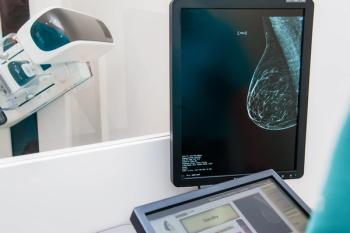
Missing just 1 screening can lead to significant increase in risk, investigators say.
In this episode, Dr. Rachel Phelps of the Rochester LARC Initiative sits down with Dr. Amber Trueheart of the University of Chicago Department of Obstetrics and Gynecology.

Panel will be focused on early detection, screening, and treatment of ovarian cancer.

Women who have onset of type 1 diabetes (T1D) before menarche have a significantly shorter reproductive life compared to women who have never had diabetes, according to a study in the journal Menopause.
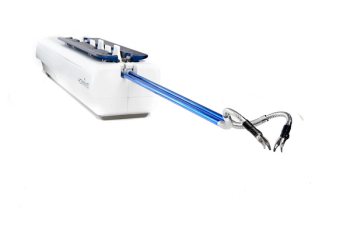
The privately held medical device firm Memic Innovative Surgery Ltd. announced in early March that the Food and Drug Administration (FDA) has granted De Novo marketing authorization for its Hominis, a robot-assisted surgical platform for use in single site, natural orifice laparoscopic-assisted transvaginal benign gynecologic procedures, including benign hysterectomy.

Limited changes occur in endocrine markers with the combined oral contraceptive Nextstellis (Mayne Pharma), according to a prospective study presented at the virtual annual meeting of the International Society for the Study of Women's Sexual Health (ISSWSH) in March.

In honor of International Women’s Day, CURE® compiled some recent news and updates in cancer research that you may have missed.

Researchers from a study published in Cancers discovered a new method of detecting endometrial cancer in women via a simple, non-invasive blood test.
What to look for this week on Contemporary OB/GYN®

The investigators’ findings appear to indicate that eviction occurring during pregnancy was linked to adverse outcomes. Advocating for housing assistance for pregnant women could be an important way to improve infants’ health.
It was a very busy week for the Contemporary OB/GYN team.

A team of international researchers partnered with the National Cancer Institute and Mayo Clinic to conduct a research opportunity that led to unexpected findings.

The National Institutes of Health (NIH) announced that it will offer grant extensions to eligible grantees affected by COVID-19.

This case illustrates how a clear explanation and empathy for the patient’s concerns may have avoided litigation altogether.

Have payer disparities seemed to grow worse during the pandemic, especially with telehealth? Take the poll now.

The COMPARE-UF Experience provides relevant information for patients and their providers in choosing a surgical treatment for uterine fibroid (UF) symptoms.