

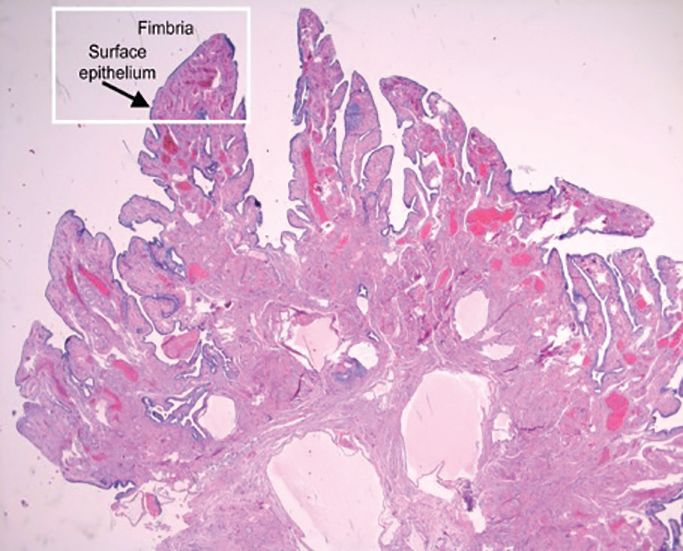








Greg Marchand, MD, talks about his recently published article evaluating the underused potential of combined laparoscopic salpingectomy and endometrial ablation for treatment of abnormal uterine bleeding and desired sterilization.
Greg Marchand, MD, talks about his recently published article evaluating the underused potential of combined laparoscopic salpingectomy and endometrial ablation for treatment of abnormal uterine bleeding and desired sterilization.

Experts take a look at 2 cases to understand abnormal uterine bleeding in adolescents and provide a useful screening tool.
Torsion of adnexal structures can occur in pregnant women, women post-hysterectomy, and postmenopausal women.

A report provides information on how gender-affirming care such as the use of puberty blockers can positively impact the mental health of transgender and nonbinary teenagers and young adults.

Polycystic ovary syndrome (PCOS) and type 2 diabetes have some markers that suggest a connection, with PCOS patients exhibiting certain symptoms at greater risk of developing type 2 diabetes later. A systematic review examines the prevalence of the 2 conditions occurring in adolescent girls.

At the Society for Maternal-Fetal Medicine’s 42nd Annual Meeting, a roundtable discussion explored ways to promote inclusivity and support transgender and gender-expansive individuals in the women’s health space.

At the 2022 virtual SMFM conference, a poster session highlighted a study on prenatal ultrasound findings in pregnant women with SARS-CoV-2 infection.

The drug is used to treat bacterial vaginosis and is a generic version of Bausch Health US LLC’s MetroGel-Vaginal.

Julie Harper, MD, of the Dermatology and Skin Care Center of Birmingham, Alabama explained the use, side effects, and risks of spironolactone and oral contraceptives in a presentation at the current Maui Derm for Dermatologists meeting in Maui, Hawaii.
A literature search revealed there is no international agreement on how to characterize or classify endometriosis.

Often based on racial/ethnic, socioeconomic, and age-based assumptions

Although the hysterosalpingogram (HSG) is the oldest special radiologic procedure, first performed over 110 years ago, it remains an essential part of the evaluation of the infertile couple.

Consensus group discussion resulted in a shift from results-based to risk-based management for cervical cancer screening.
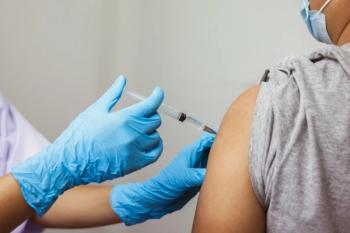
A study published January 6, 2022 showed that COVID-19 vaccinations may temporarily cause changes to the timing of menstruation.

While it has been nearly 50 years since vaginal dilators were introduced as a therapy to decrease VS, the medical community still knows very little about the potential impact on long term outcomes.

Much innovation has taken place in the field of minimally invasive gynecologic surgery in the last decade. Enthusiasm for single-port surgery has waned over the past decade, due to factors like Reimbursement issues and technical demand led to a decrease in enthusiasm, but robotics companies continue to develop new solutions.

While sacrocolpopexy has been the gold standard for the anatomical correction of pelvic organ prolapse for more than three decades, it is a technically challenging procedure that results in dividing the pelvis by mesh material and often requires extensive bowel manipulation.
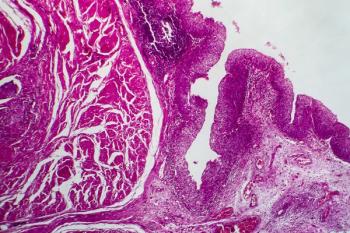
Women are less likely to be diagnosed with bladder cancer, but that does not make the disease any less fatal for this population of patients.
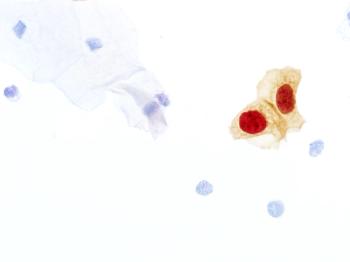
A prospective observational screening study has concluded a cytology dual-stain (DS) biomarker effectively triages women who test positive for primary human papillomavirus (HPV) and are at higher risk of developing cervical cancer, irrespective of the HPV genotype.
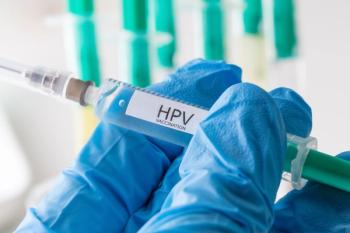
Human papillomavirus (HPV) vaccination has significantly decreased the incidence and mortality of cervical cancer in girls and women between the ages of 15 and 24, according to a research letter in JAMA Pediatrics.

The addition of palbociclib to endocrine therapy was not associated with preventing disease recurrence in patients with hormone receptor (HR)–positive, human epidermal growth factor receptor 2 (HER2)–negative early breast cancer, according to final results of the phase 3 PALLAS trial.

A recent analysis suggests transfeminine individuals were at a 40% greater risk of developing diabetes than their cisgender counterparts, but this increase in risk was not attributable to gender-affirming hormone therapy.

Daré Bioscience announces the US Food and Drug Administration has approved their clindamycin phosphate (Xaciato) vaginal gel for bacterial vaginosis.
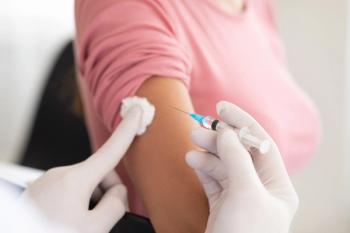
COVIDmenses is recruiting participants for a study to examine potential effects of COVID-19 vaccination on menstrual health.

It is essential to expand access to all available, effective cervical cancer screening options for the most vulnerable populations. The targeted use of any particular screening modality in higher-risk populations is not supported by evidence-based guidelines; any effective screening is the priority.