Pregnancy and Birth

Latest News


A study presented on February 16 at the Society for Maternal-Fetal Medicine (SMFM) annual meeting in San Francisco, California, found that around-the-clock labor and delivery (L & D) coverage decreased the odds of cesarean delivery in certain populations of patients in California.

Immediate start of hormonal contraception may reduce unintended pregnancies and increase method continuation, but the evidence is limited, according to the findings of an intervention review conducted by the Cochrane Fertility Regulation Group.

Patients with pelvic girdle pain during pregnancy who had a cesarean section were more likely to experience persistent pain 6 months after delivery than patients who delivered vaginally, according to a new follow-up study from the Norwegian Institute of Public Health.

New drugs, new research, new guidelines… there’s a lot for ob/gyns to look forward to in the coming year. Here, the leaders of seven ob/gyn societies share the most interesting, important, exciting things on their radar for 2013.

From ASRM’s removal of the ‘experimental’ label from the procedure of oocyte cryopreservation, to discoveries into the complex genetic processes involved in ovarian cancer, 2012 was another important year in ob/gyn research. Here, the leaders of seven major ob/gyn societies reflect on the most exciting research of the last year.

An independent panel convened by the NIH has concluded that the name “polycystic ovary syndrome (PCOS)” causes confusion and is a barrier to progress in the realms of both research and effective patient care.

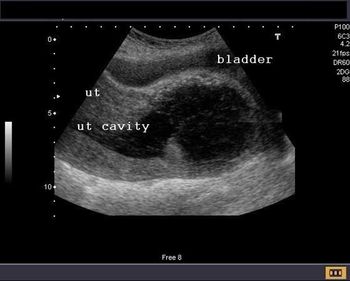
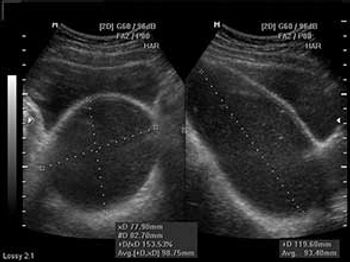
This middle aged lady had a history of pelvic pain. She was previously diagnosed with a suspected fibroid. What’s your diagnosis based on these uterine images?

A study published online by the British Medical Journal has shown that women who undergo in vitro fertilization (IVF) are at increased risk of pulmonary embolism (PE) and venous thromboembolism (VTE) during the first trimester.

After an episiotomy or a second-degree tear, continuous suturing techniques, compared with interrupted suturing methods, for perineal closure are associated with less short-term pain, less need for analgesia, and less need for suture removal, according to an intervention review conducted by the Cochrane Pregnancy and Childbirth Group.