


Post-traumatic stress disorder (PTSD) and a major depressive episode during pregnancy are predictors of preterm delivery, independent of SRI or benzo use.

Post-traumatic stress disorder (PTSD) and a major depressive episode during pregnancy are predictors of preterm delivery, independent of SRI or benzo use.

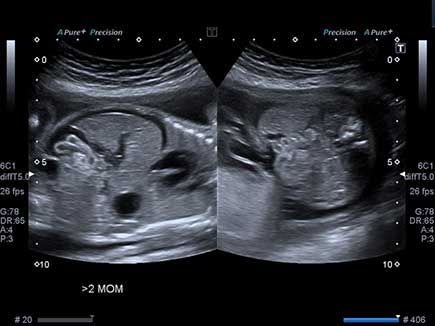
Challenge your diagnostic skills: Is this fetal heart normal or abnormal?

Drs Louise King, Camran Nezhat, and Paul Wetter discuss an effective teamwork model, agreeing that patients have better outcomes when clinicians work as a team.

New study results may alleviate concerns about use of antipsychotics in pregnancy. However, higher doses often mean more problems for baby.
According to a new retrospective study in Obstetrics & Gynecology, second-stage labor that lasts more than 2 hours may increase the risk of complications.

Monique Rasband, of KLAS Research, discusses which ultrasound products and vendors are favored by Ob/Gyns because of time-saving capabilities.
Shorter birth intervals can up the odds for preterm delivery, suggesting that women at risk for preterm labor receive special counseling about birth spacing.
Pre-planning is key to achieving the most optimal clinical outcomes for patients with multiple challenging risk factors or individual characteristics.
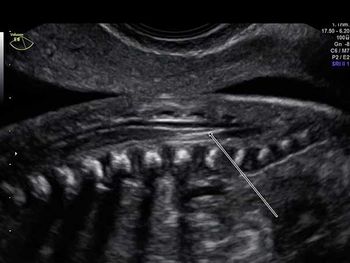
Challenge your anatomy skills: Can you identify the spinal structure?

The rate of sexual assault among female veterans is high, and the criminal act has pronounced associations with infertility, abortion, and childlessness.
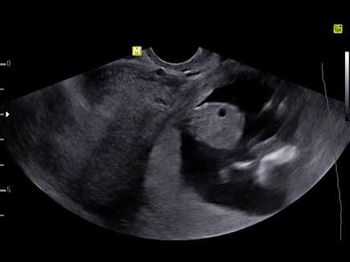
Challenge your diagnostic skills: What’s odd about this 16-week pregnancy?
New research shows that high cholesterol levels in both men and women can impact the time it takes to achieve pregnancy.
The correct response to oligohydramnios and polyhydramnios hinges on timing, severity, and comorbidity.

Postabortal placental polyps and uterine arteriovenous malformations can look identical on ultrasonography. Read how saline instillation sonohysterography helped discern the diagnosis.

Informed consent is more than just a signed consent form, says ethics blogger Paul Burcher, MD, PhD, who weighs in on a different way to think about this practice.

The extent and timing of maternal depression is being underestimated, according to new research, highlighting the need for improvement in maternal depression screening.

To help combat iodine deficiency in pregnant and breastfeeding women, the American Academy of Pediatrics now recommends that these women take iodine supplements.

Daily vitamin C may offer some protection to the respiratory health of infants whose mothers smoked during pregnancy, a newly published study reported.
New research may have found a way to better predict whether women with threatened preterm labor are in true labor or false labor.
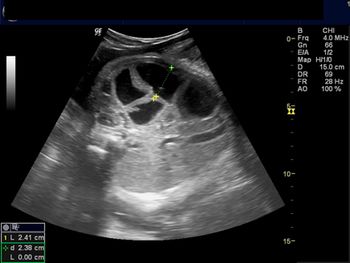
Challenge your diagnostic skills: Can you identify this finding in the fetal abdomen?
Sexual violence on college campuses may be more prevalent than you think. Are you asking patients the right questions about their sexual health?
A study of a nationally representative sample of hospitalized women who were pregnant or gave birth shows a link between obstructive sleep apnea and maternal death. The findings, published in SLEEP, point to a need for targeted interventions to improve pregnancy outcomes in women with apnea.
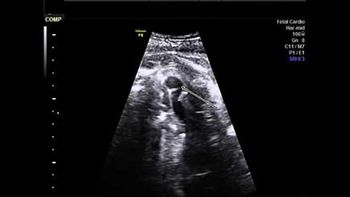
Challenge your diagnostic skills: Can you identify this finding in the fetal chest?

New research shows that obstetricians may need to rethink how they screen certain patients for gestational diabetes mellitus.
Maternal deaths related to childbirth in the US are nearly at the highest rate in a quarter century, and we’re just 1 of 8 countries to experience an increase.