
Despite the increasing volume of evidence that infants born before 39 weeks can have complications, a new study shows that nearly 4% of uncomplicated births are induced before 39 0/7 weeks without a medial indication.
Despite the increasing volume of evidence that infants born before 39 weeks can have complications, a new study shows that nearly 4% of uncomplicated births are induced before 39 0/7 weeks without a medial indication.
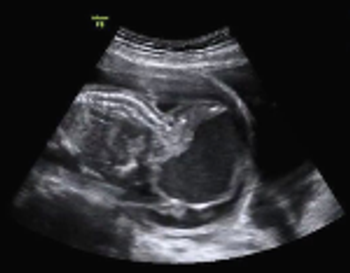
After a discrepancy between gestational age and fundal height, an ultrasound exam revealed one of the most common congenital tumors deriving from germ cells.

Use of an intravaginal ring with a pod to drug tablets may provide protection against HIV-that’s the hope, at least. Read on to find out how monkeys responded.
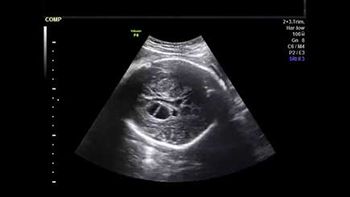
Challenge your diagnostic skills: What abnormality do you see in this late second trimester fetus?
Eric J. Forman, MD, FACOG discuses the Blastocyst Euploid Selective Transfer (BEST) Trial carried out by Reproductive Medicine Associates of New Jersey.
A demonstration of trophectoderm biopsy
Blastocyst-stage comprehensive chromosome screening (CCS) to select euploid embryos is the key to successful elective single embryo transfer (SET).
What matters most to women and healthcare providers when it comes to contraceptive choices may vary dramatically, according to a recent study in Contraception.
A thorough ACOG task force report confirms that NBPP is difficult to predict and prevent.
Are your healthcare data safe in the cloud?
A case hinges on the causes of a child's developmental delays.
Here are the steps to take before recommending IVF to your patients having trouble conceiving.
An expert commentary on ACOG Practice Bulletin No. 137.
Hormone replacement helps to maintain normal bone mineral density (BMD) in young women with primary ovarian insufficiency (POI), a study by the National Institutes of Health (NIH) has found.
A reduced-carbohydrate diet may reduce breast cancer recurrence in women whose tumor tissue is positive for insulin-like growth factor-I (IGF1) receptor, according to a new study in Cancer Epidemiology Biomarkers & Prevention.
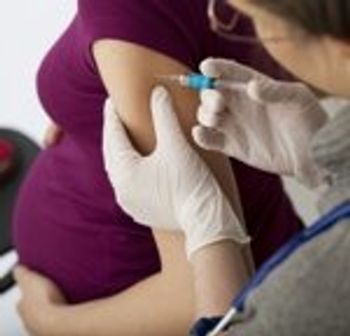
Evidence mounts that flu vaccine in pregnancy is safe, but congenital anomalies need to be better defined and slight increases in maternal outcomes explained.
Substituting one serving per day of legumes for one serving per day of red meat may help lower a woman’s risk of breast cancer, according to results of a multicenter study based on data from the Nurses’ Health Study II. The findings, published in BMJ, represent 20 years of follow up on a questionnaire on diet.
A history of at least 1 major depressive episode and a diagnosis of posttraumatic stress disorder (PTSD) may increase the risk of preterm birth (PTB) 4-fold, according to a recent study in JAMA Psychiatry.
According to a recent report from the Centers for Disease Control and Prevention, the number of women undergoing induced labor is finally on the decline after many decades on the rise. One benefit is that the number of deliveries before 39 weeks has similarly fallen.

Women with polycystic ovary syndrome (PCOS) experiencing light or infrequent periods may improve menstrual cyclicity by taking cinnamon supplements, evidence shows.
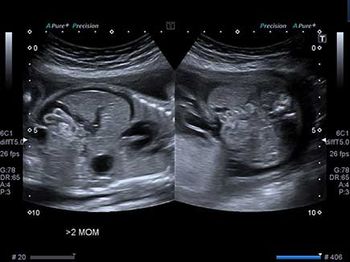
Challenge your diagnostic skills: Are these normal findings?

In hypertensive pregnant women, snoring is a strong indicator of obstructive sleep apnea, a sleep disorder that may be associated with poor pregnancy outcomes.
This infographic reveals the breast cancer screening practices of fellow ObGyn.net readers. How do your recommendations compare with those of your colleagues?
Come July 1st, thousands of newly minted interns with freshly pressed long white coats, but experience-green, flood the floors of teaching hospitals around the country. For most of the country July 1st means another glorious summer day of basking in the bliss of summertime sun. For the labor and delivery floor this is NOT the case.
Women with interpregnancy intervals (IPIs) of less than 18 months may be at increased risk of preterm delivery, according to a new study in BJOG.
New research presented at the American Urological Association (AUA) Annual Meeting suggests that elderly women are less likely than men to be referred for hematuria evaluation, and therefore less likely to receive a definitive urologic diagnosis.
Women with a greater number of cutaneous nevi may be more likely to develop breast cancer than those with fewer, according to a recent study in PLoS Medicine.
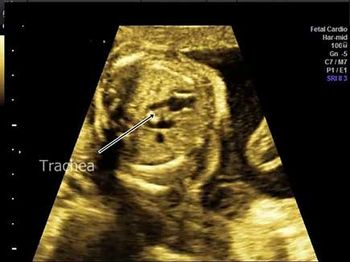
Challenge your diagnostic skills: Is this fetal heart normal or abnormal?

Drs Louise King, Camran Nezhat, and Paul Wetter discuss an effective teamwork model, agreeing that patients have better outcomes when clinicians work as a team.
New study results may alleviate concerns about use of antipsychotics in pregnancy. However, higher doses often mean more problems for baby.