




New research attempts to quantify the effects of maternal smoking, smoking cessation, and smoking reduction in pregnancy on SUID rates.
New research attempts to quantify the effects of maternal smoking, smoking cessation, and smoking reduction in pregnancy on SUID rates.

BRCA mutation carrying mothers may have different risks depending on whether the mutation is BRCA1 or BRCA2.
The much-anticipated results of an injectable progestin clinical trial did not align with previous research.

Maternal and fetal outcomes complicated by SLE require that patient, rheumatologist, and ob/gyn work as a team.

A new study suggests that changes in the fetal brain caused by infections during pregnancy may be linked with autism and possibly depression.

As more states turn to punitive policies to discourage OUD among pregnant women, Dr. Lockwood and Dr. Wolfson examine what the ob/gyn's role in the debate should be.
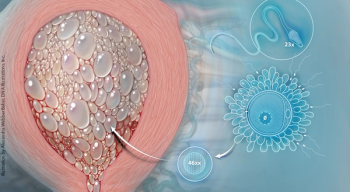
Molar pregnancies may be associated with serious morbidity so prompt diagnosis, appropriate management, and follow-up are essential.

A recent study examined associations between IPI after stillbirth and the risk of birth compliations in the subsequent pregnancy.

Sometimes out-of-hospital births are a necessity, but a recent presentation examined the safety and outcomes of these types of deliveries.

A case-control study using blood samples, rather than self-reports, provides new data on the link between maternal smoking during pregnancy and ADHD in offspring.

New international research offers data that ob/gyns can use to better manage cholestasis in pregnancy and counsel patients about risk of stillbirth associated with the condition.


A new study looked at whether maternal practices impact the likelihood of a stillbirths at ≥ 28 weeks.

New data from a large, multicenter, randomized trial are now available regarding the effectiveness of endometrial scratching for improving live birth rate with in vitro fertilization.

To address limitations in previous literature on associations between ART and worse perinatal outcomes in offspring, researchers from Finland analyzed potentially harmful effects of ART using a sibling-comparison model approach. PLUS: Consumer and personal care products and BP in pregnancy. ALSO: How can racial disparities in breastfeeding be reduced in the American South?

Misdiagnosis is not uncommon but when faced with a bad situation there are steps that an ob/gyn can take to limit the damages.
Although human papillomavirus (HPV) vaccination has decreased cervical cancer morbidity and mortality, secondary prevention through screening remains an important strategy. PLUS: Does being black influence hysterectomy route and outcomes? ALSO: Syphilis in pregnancy on the rise.

In this Medical News Minute, Dr. Bobby Lazzara discusses the findings from a recent study designed to assess state specific prevalence of neuroaxial analgesia and the variability of neuroaxial analgesia among states.

Two years after its bipartisan introduction, HR 1318 is now law. PLUS: Uterine transplantation from deceased donor results in livebirth. ALSO: Research has shown that route of delivery has an effect on the microbiome of newborns.

Women with behavioral conditions need ongoing care through pregnancy and postpartum, but our health care system makes this a challenge

This month's quiz goes over the steps ob/gyns can take to lessen the likelihood of vaginal birth complications that were discussed in the article, "How to minimize vaginal birth complications" by Bob Kronemeyer (September 2018).
In a lawsuit involving both mother and infant, allegations of infertility from a D&C were also included.

This summary of SMFM Consult Series #46 reviews major considerations in evaluation and management of polyhydramnios.
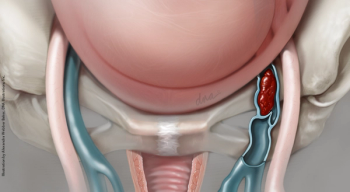
As rates of VTE in pregnancy are increasing in the United States, ob/gyns must be vigilant in identifying women at risk and promptly instituting measures recommended by ACOG and other organizations

Results of a population-based study provide new perspectives on the interaction between spacing of pregnancies, maternal age, and the health of mothers and their offspring. PLUS: How do pessaries compare with progesterone for preventing early PTB? ALSO: Opioid abuse in rural mothers and babies - What are the risks?